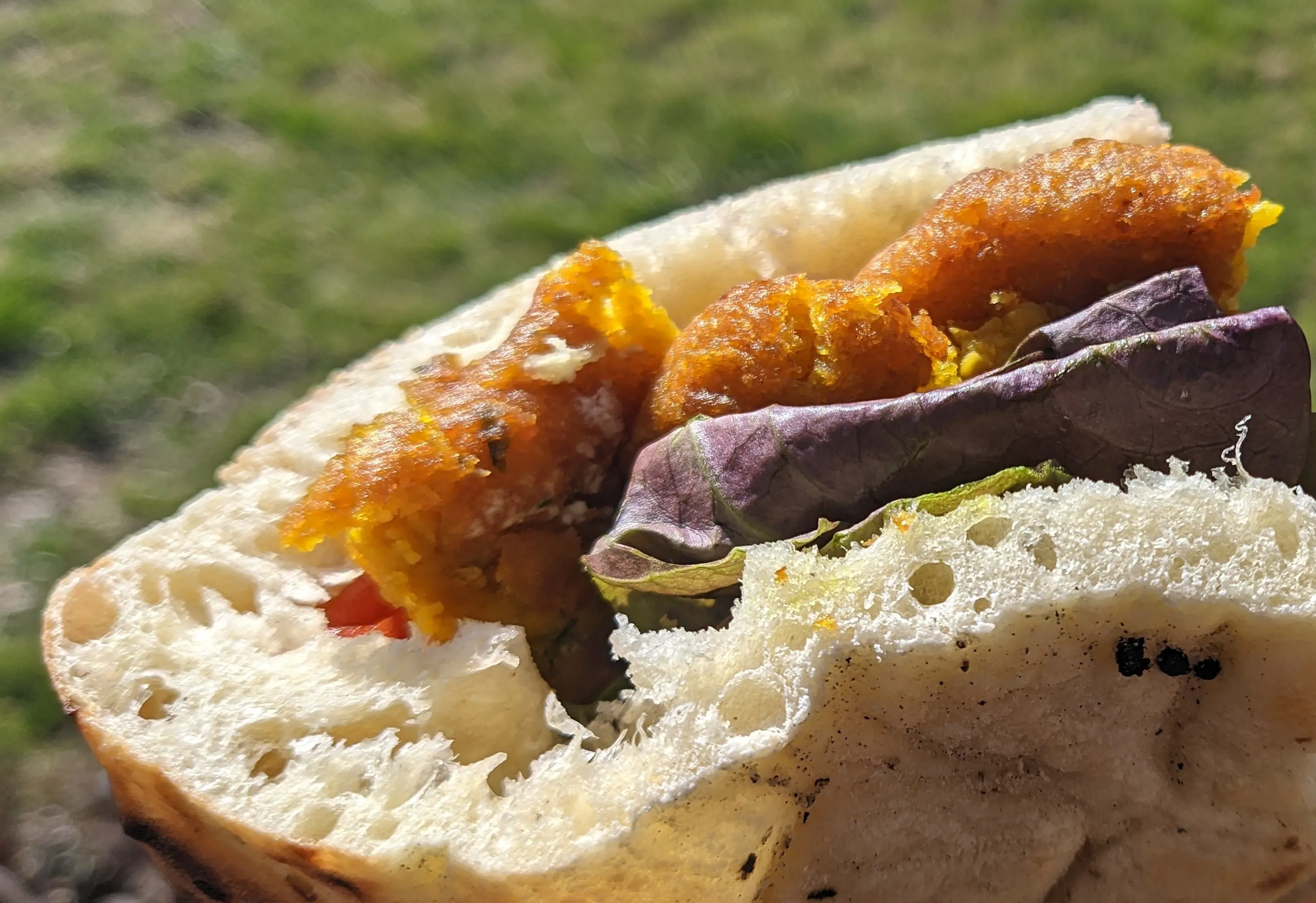
Falafelish
April 30, 2025Two months ago, I published a Moretum recipe. Now we are finally going to make use of it.
I’m a vegetarian, so I’m always on the lookout for new food inspiration
and recipes for new dishes.
And after spending way too much time perfecting this recipe,
I finally get to use all the chickpea cans I collected over the years.
Falafel originate from Egypt, normally feature in Middle Eastern cuisine
and are often made out of chickpeas. 1
You have probably seen them on salads, alongside humus or inside a wrap.
This recipe is amazing for just the falafels, but if you make the paste a little thicker, you can also use it as a spread without frying it 2.
I’ll be using multiple spices for this recipe, but given that Curry Powder contains all of them, you can probably substitute it, if you don’t have access to all of them.
Ingredients
- 400g can of chickpeas
- Small to medium-sized onion
- Spices
- 1 1/2 tsp ground cumin
- 1tsp cumin, coriander, nutmeg mixture (33% of each)
- 1/2 paprika powder
- Seasoning
- pinch chili flakes
- 1/2 tsp salt
- 6 1/2 tbsp flour
- 3 1/2 tbsp Moretum
The paste
Start by rinsing the chickpea can and drying them using a paper towel,
to prevent excess moisture from being introduced.
This will help you reduce the amount of flour required.
Afterwards, you can put them into a food processor.
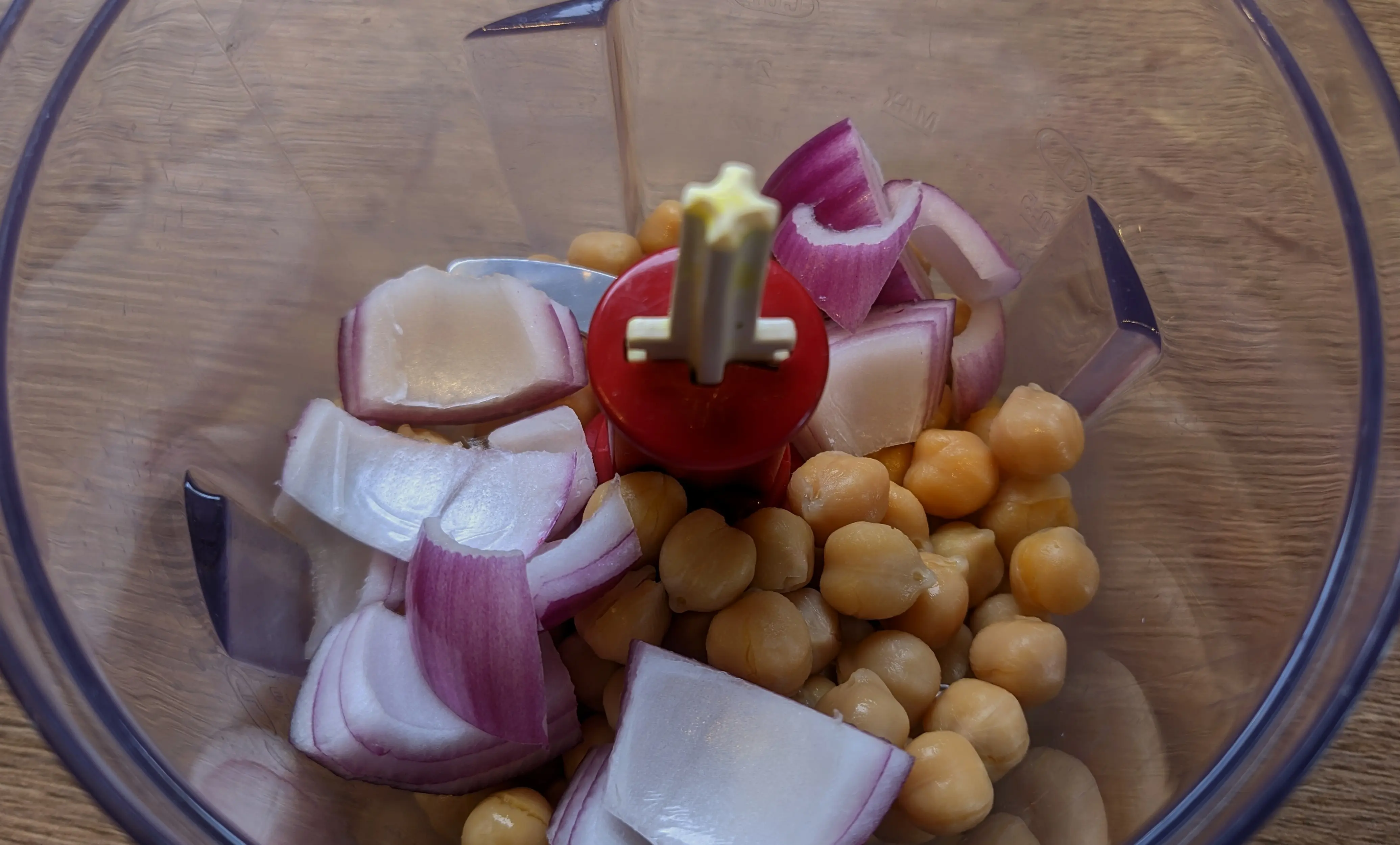
Alongside the chickpeas, you will also want to cut the onion into chunks and put them into the food processor as well.
Now add the spices (ground cumin, coriander, nutmeg or curry powder, paprika powder), season with salt and add chili flakes if you want.
You will also want to add 2 tbsps of olive oil, about 3 tbsp flour and 1 1/2 tbsp of the Moretum feta mix.
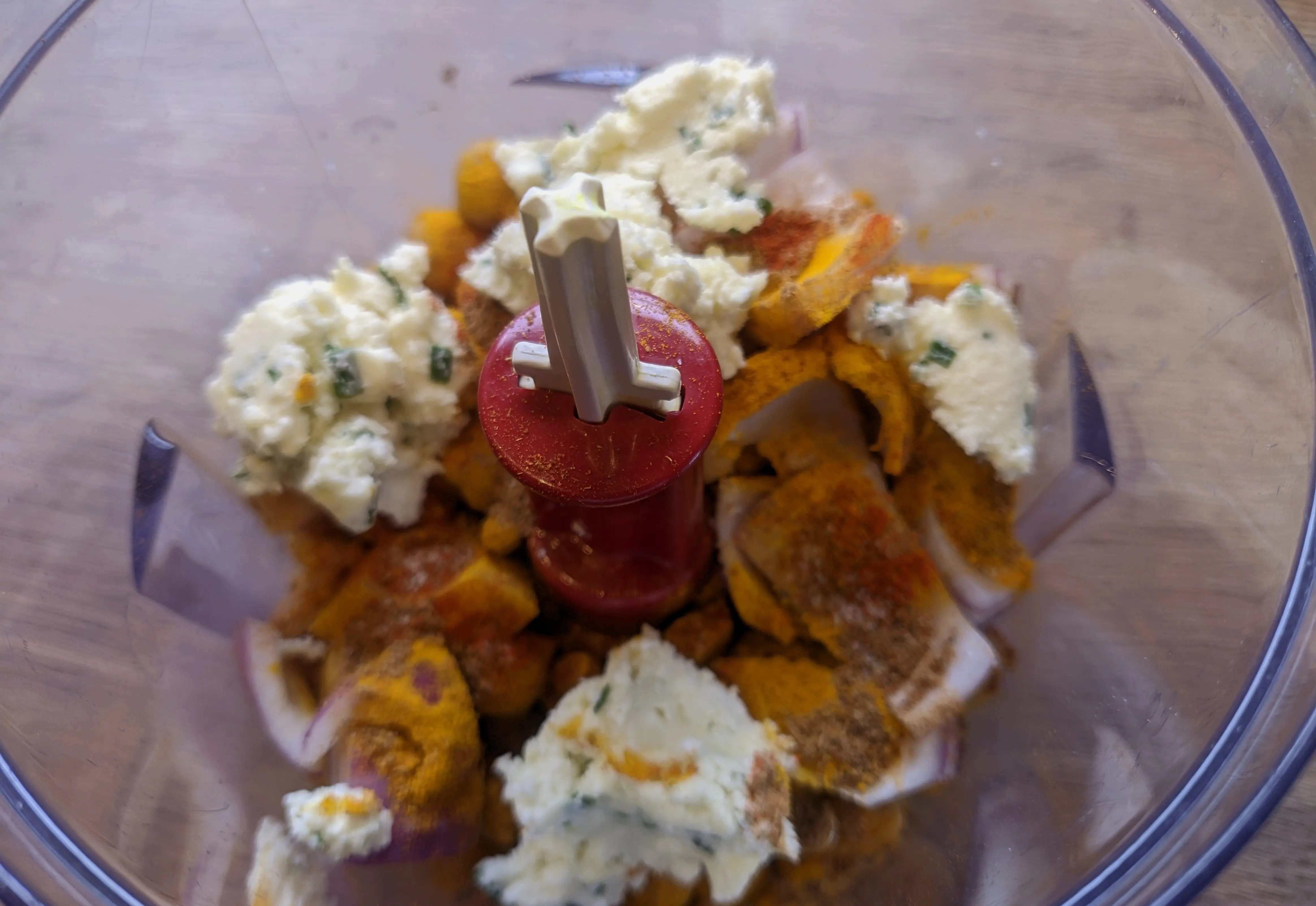
Turn on your blender and blend the ingredients into a paste.
If you notice that the unprocessed ingredients are pushed up,
you can use a spatula to push them back down and continue blending,
to ensure that everything is mixed evenly.
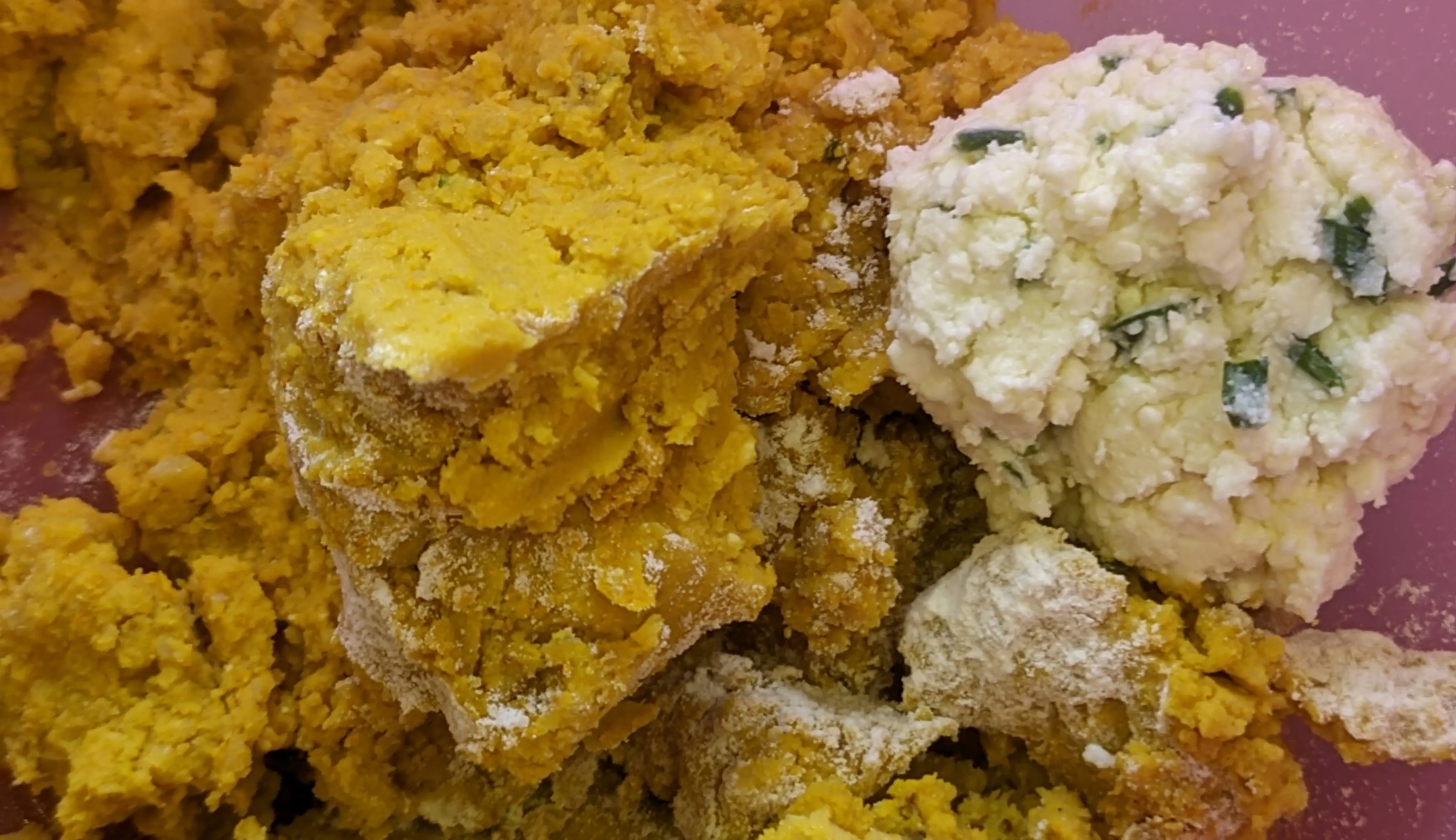
Once you reached a paste consistency,
it is time to transfer the mixture into a larger bowl.
Start by lightly dusting the bowl with flour and then scooping over the paste.
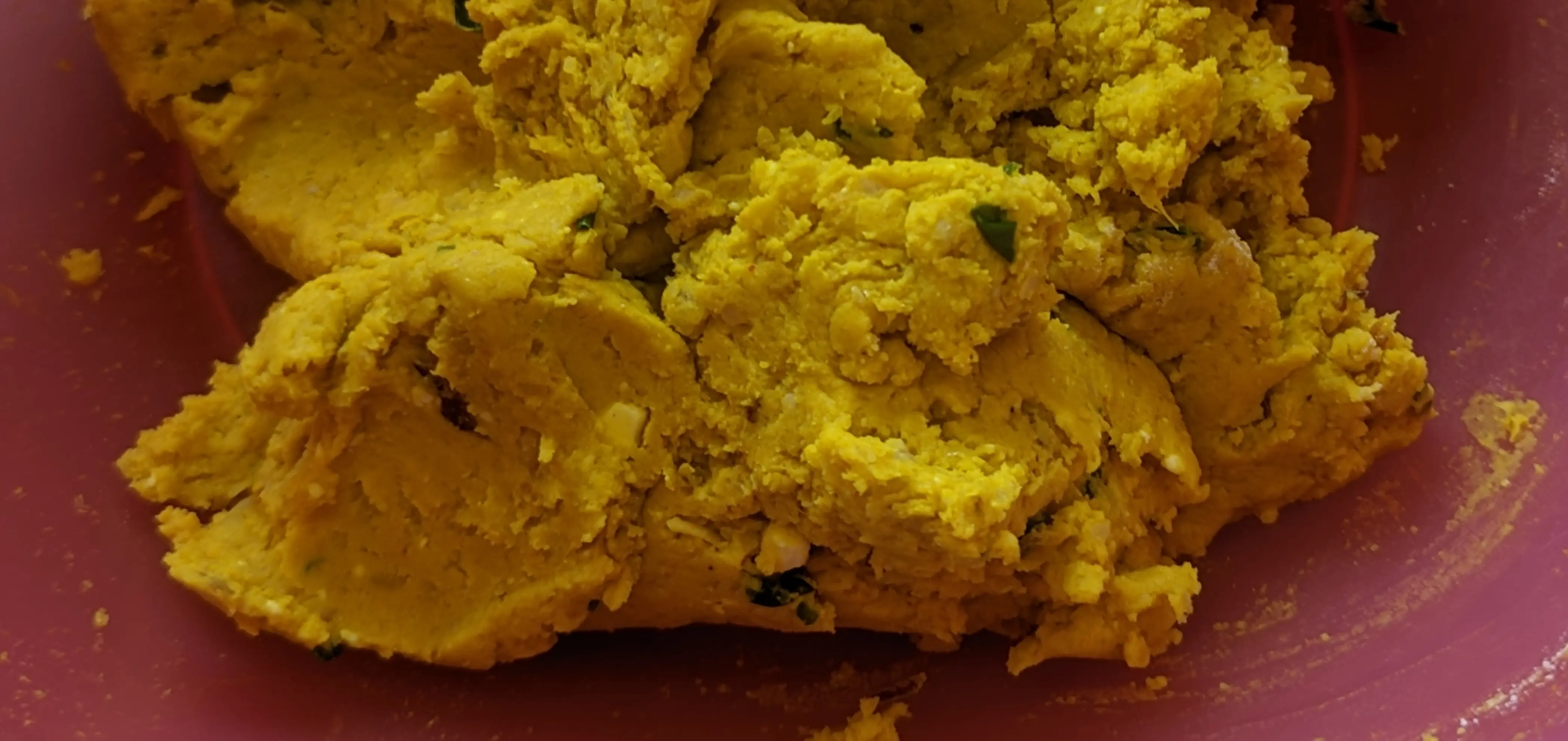
Add an additional 2 tbsps of the Moretum feta mix and 3 1/2 tbsp flour and fold the mixture using the spatula until it combines into a ball. (You might have to add more oil or flour depending on if your dough is too dry or wet)
The dough should not be too dry, because you want it to stick together, but you also don’t want it to stick to your fingers.
Forming the falafels
With our dough prepared, it is time to mold the falafel into the shape we need.
Before you start forming them, lightly dust a plate or tray with flour, where you can store the falafel before frying them.
You can form the falafel by hand by scooping out roughly one tablespoon of the mixture,
and rolling it into a ball between your hands.
If you have access to one of the fancy falafel presses, you can also use them.
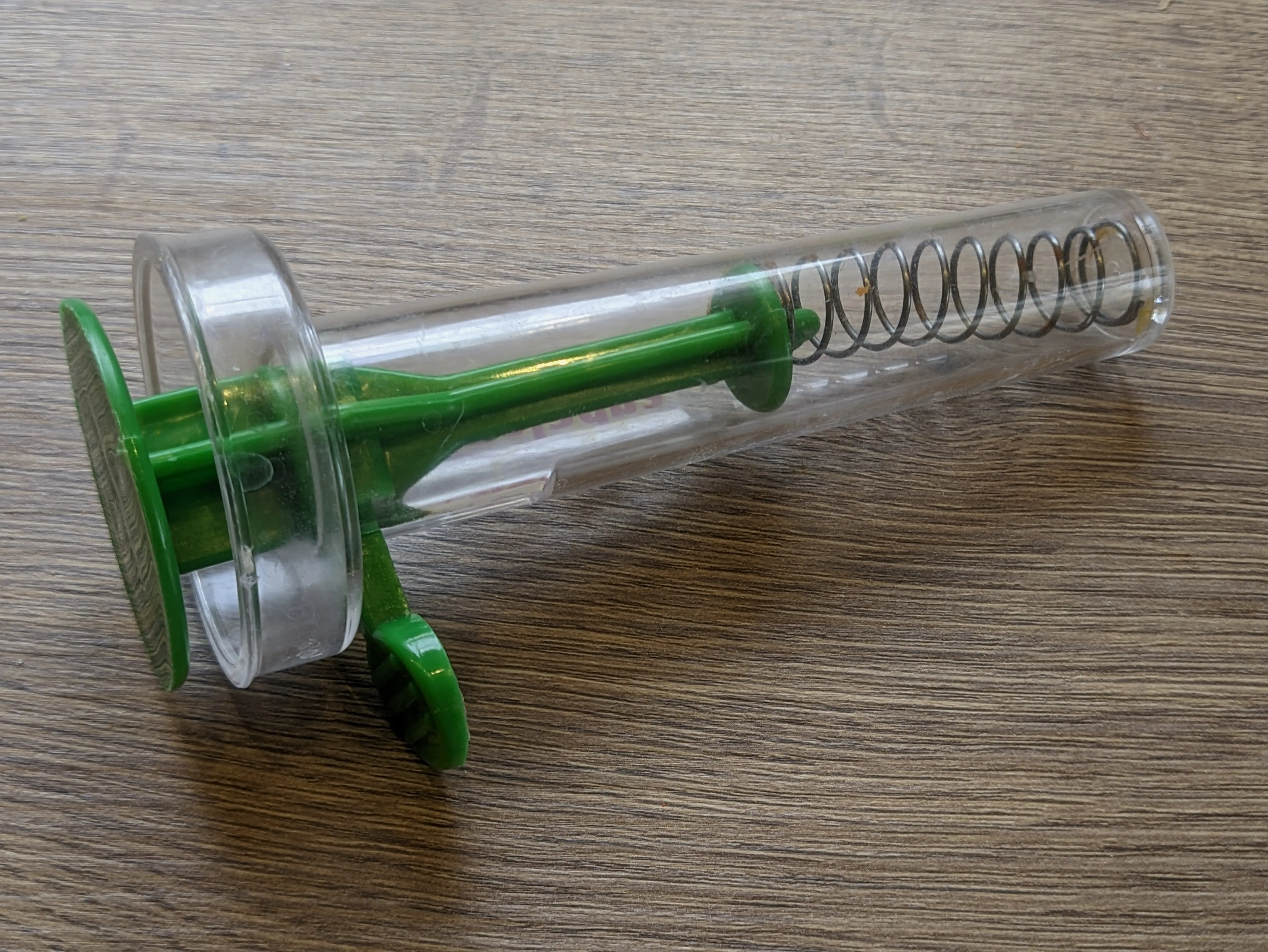
Start by lightly dusting the falafel mold with flour and move back the lever,
then scoop the paste into it using the spatula and press it flat.
When you release the lever, the falafel is moved up, allowing you to carefully remove it.
Frying
Before you start frying the falafel, you probably want to prepare a second tray or plate and place a piece of kitchen towel on it. The kitchen towel will soak up excess oil when taking the falafel out of the oil bath and placing them on it.
We are going to deep-fry the falafels, because I think that it gives the best results.
Ideally, you should fill a pan or pot with about 3 cm of oil (i.e., rapeseed oil).
And heat it until it forms bubbles when holding a wooden stick into it.
Once the oil reaches temperature, you want to turn down the heat, to prevent the falafel from burning.
(Remember: You can always turn the heat back up if the oil gets too cold,
but placing the falafel into oil that is too hot, might crisp them up too fast on the outside,
or even cause them to fall apart.)
With your oil up to temperature,
you can start placing falafels into it.
I use a bubble tea sieve for this, because it allows the oil to pass through and lifts away nicely.
But you should also be able to use a spoon, ideally one with a wooden handle, so you don’t touch the hot metal directly.
Just be careful not to come in contact with the hot oil.
If you notice that the oil starts foaming, you should probably turn down the heat,
or try placing less falafels into the oil bath at the same time.
If you notice that your falafel are falling apart, it might be a sign that the dough is too wet,
and you should try adding more flour.
Remember to flip the falafel regularly, so that they can crisp up from all sides.
You will notice that the outside turns dark and gets harder over time,
which means that it is time to take them out.
Repeat the process until you finished frying all the prepared falafels and allow them to cool slightly.
Serving
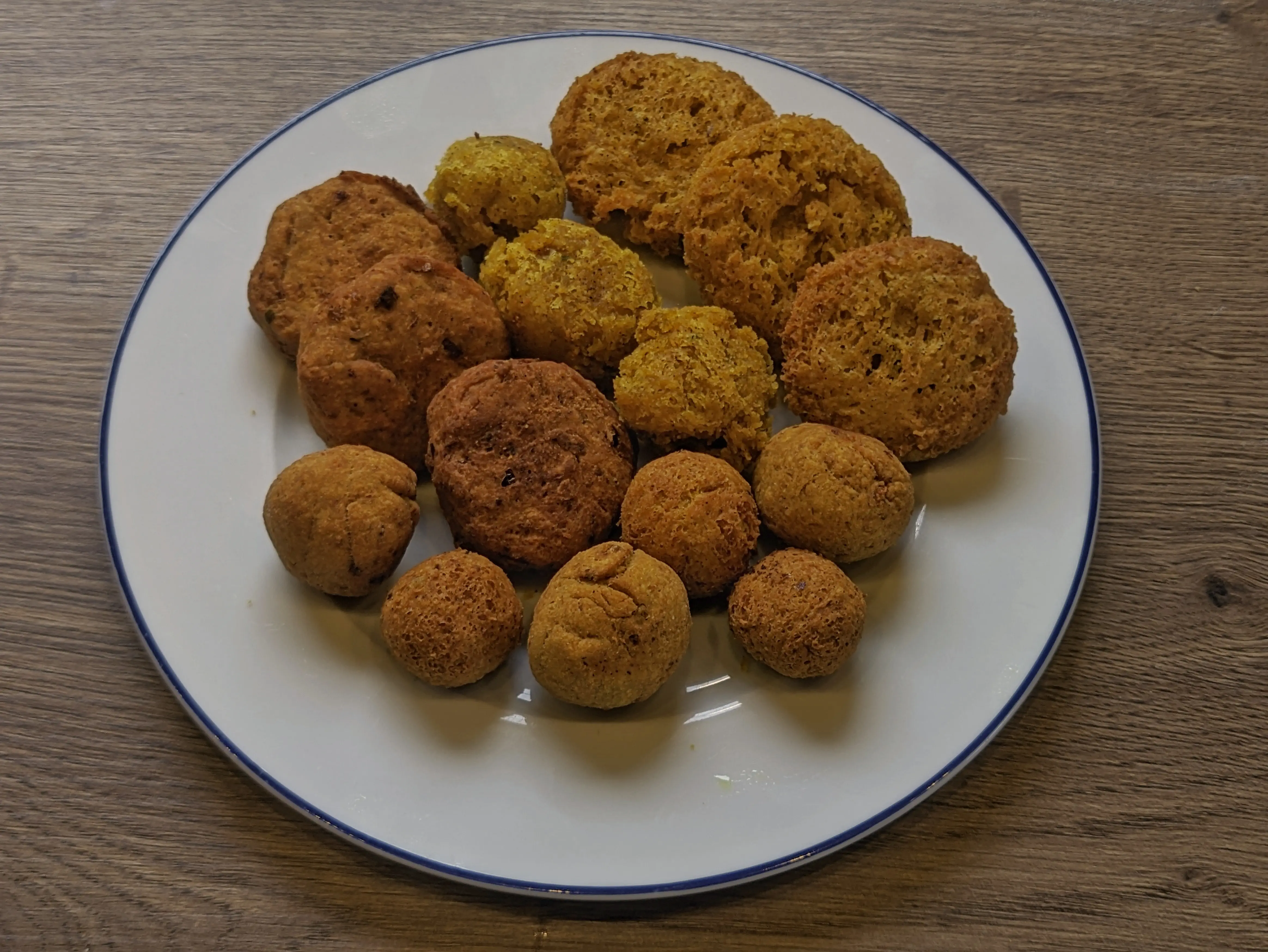
The falafel taste best, after taking them out of the oil bath, when they are still warm, but not too hot.
You can eat them on their own, or cut them into slices and eat them on bread with more Moretum.
They also go along well with herb curd.
Obviously, because they are falafel, you can also eat them with flat bread or pita bread3.